
World Circular Economy Forum 2026 Brings Circularity To The Centre Of Industrial And Energy Transition Conversations
The World Circular Economy Forum 2026 reflects a shift in how circularity is framed, moving from a sustainability concept to a core component of industrial strategy, resource security and energy transition planning.
The World Circular Economy Forum 2026 is taking place in a context where circularity is no longer confined to sustainability narratives. It is increasingly positioned at the centre of industrial policy, energy transition and long-term economic planning.
What was previously discussed in terms of waste reduction and environmental responsibility is now being reframed around supply chain resilience, resource security and competitiveness. This reflects a broader shift in how governments and industries are approaching material dependency within the transition to low-carbon systems.
Renewable energy infrastructure, electric mobility and industrial decarbonization rely on finite and often geopolitically sensitive materials. Circular systems are being positioned as a way to reduce reliance on primary extraction while maintaining access to critical resources.
This reframing is visible in policy discourse and industry platforms, where circularity is increasingly linked to resilience and strategic autonomy rather than only environmental outcomes.
Circularity is moving from sustainability practice to industrial strategy.
Key Strategic Drivers
From ESG To Strategic Positioning
At WCEF 2026, discussions are expected to focus on material recovery, industrial recycling systems, circular supply chains and the integration of circular models into infrastructure and energy projects. The presence of policymakers, corporates and financial stakeholders reflects the mainstreaming of circularity into economic planning.
This changes how circularity is evaluated. It is no longer a peripheral ESG consideration. It becomes part of how organizations are assessed on resilience, preparedness and long-term viability.
The relevance is particularly pronounced in sectors linked to renewables, where demand for materials such as copper, lithium and rare earth elements is increasing. At the same time, lifecycle management and resource recovery are emerging as critical considerations.
Circular systems introduce a new layer of strategic evaluation across industries.
Energy And Infrastructure
Balancing material demand with long-term resource efficiency and lifecycle management.
Manufacturing And Industry
Integrating circular supply chains and recycling systems into production models.
Policy And Investment Ecosystem
Aligning economic planning with resilience, resource security and sustainability objectives.
The World Circular Economy Forum 2026 reflects a broader transition in how industrial systems are designed and evaluated. Circularity is increasingly embedded within strategic, economic and energy-related decision-making.
As expectations evolve, circularity will influence not only environmental outcomes but also how organizations are interpreted in terms of resilience, risk and long-term competitiveness.
Sources
- World Circular Economy Forum (WCEF)
- European Commission Circular Economy Policy
- Global Energy Transition and Resource Efficiency Reports
News & Announcements
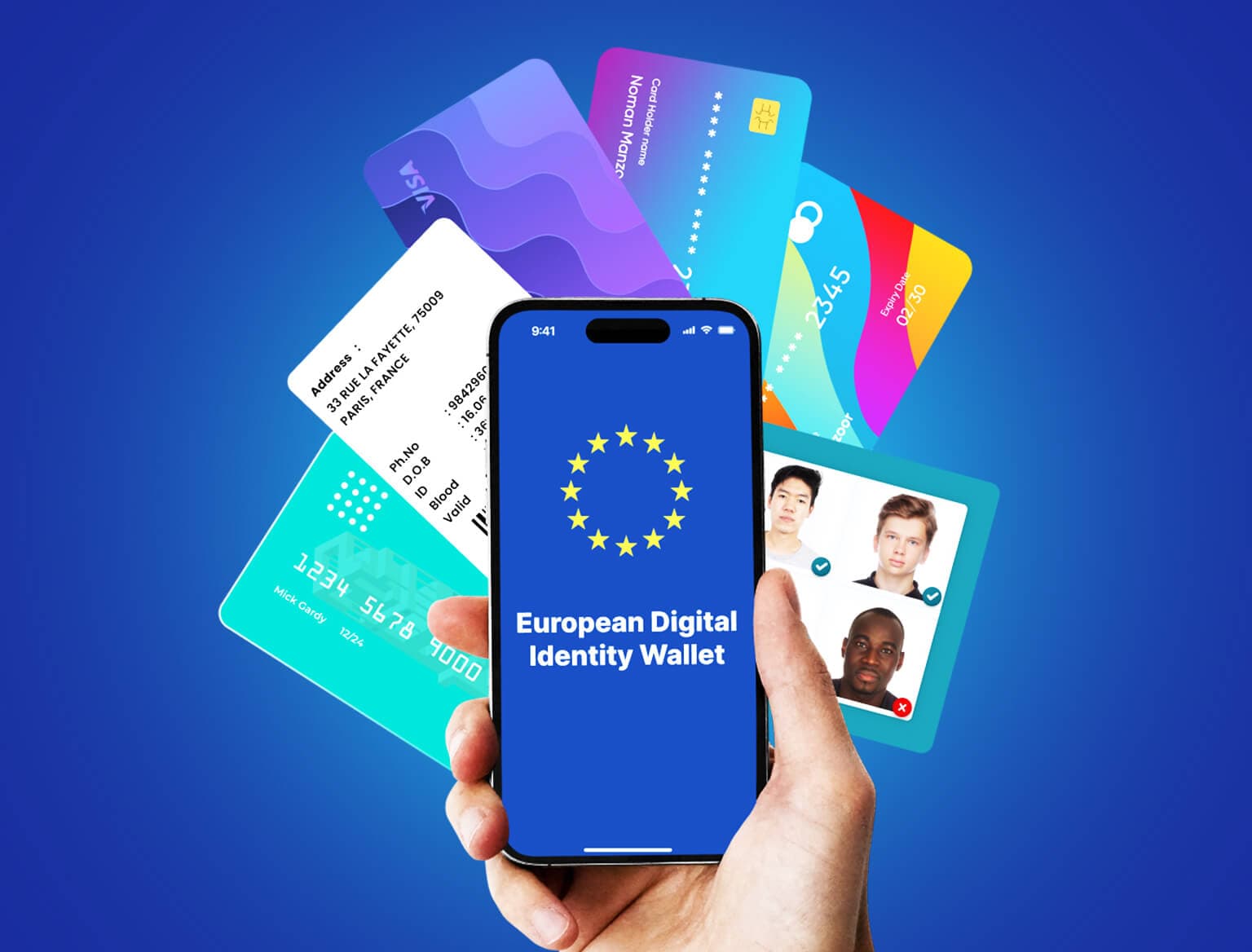

What The ECB’s Latest Digital Euro Push Could Mean For Trust And Stakeholder Confidence In Payments


Popular Insights
The Gap Between What Companies Say And What Markets Hear




Global Success Stories

Strategic Advocacy Outlook 2026
Strategic Influence, Institutional Trust and the Future of Advocacy

Asia Semiconductor Narrative 2026
Navigating Geopolitical Tensions in the Global Supply Chain

Operating in Real-Time Feedback Loops
The Evolution of Information Integrity and Open Influence Ecosystems
Strategic Advocacy Outlook 2026
Strategic Influence, Institutional Trust and the Future of Advocacy
Asia Semiconductor Narrative 2026
Navigating Geopolitical Tensions in the Global Supply Chain
Operating in Real-Time Feedback Loops
The Evolution of Information Integrity and Open Influence Ecosystems
Explore Industries

Energy, Resources & Circular Economy
Operating at the intersection of policy, capital and public scrutiny, where perception shapes access, alignment and long-term positioning.

Financial Services
Operating at the intersection of regulation, market perception and institutional trust, where capital flows are influenced as much by narrative interpretation as by financial performance.

Consumer & Digital Economy
Operating within fast-moving environments where perception, behaviour and platform dynamics directly influence growth, trust and regulatory response.

Defense & Strategic Industries
Operating within high-sensitivity environments where perception, compliance and institutional alignment determine long-term positioning and access.

Healthcare & Life Sciences
Operating across clinical complexity, regulatory oversight and public perception, where interpretation influences adoption, trust and treatment pathways.
Infrastructure & Transport
Operating across long-cycle investments, regulatory oversight and public acceptance, where project viability is shaped by multi-stakeholder interpretation.

Public Sector & Sovereign Institutions
Operating in environments where policy, perception and stakeholder interpretation directly influence national positioning, institutional credibility and international engagement.

Technology, Media & Platforms
Operating at the intersection of scale, regulation and public perception, where platform decisions, content ecosystems and policy scrutiny shape long-term positioning and market access.