
What The EU Digital Identity Wallet Means For Trust, Verification And Institutional Credibility
The EU Digital Identity Wallet is evolving beyond a convenience-led digital tool into a regional trust infrastructure, shaping how identity, verification and credibility are established across borders and institutions.
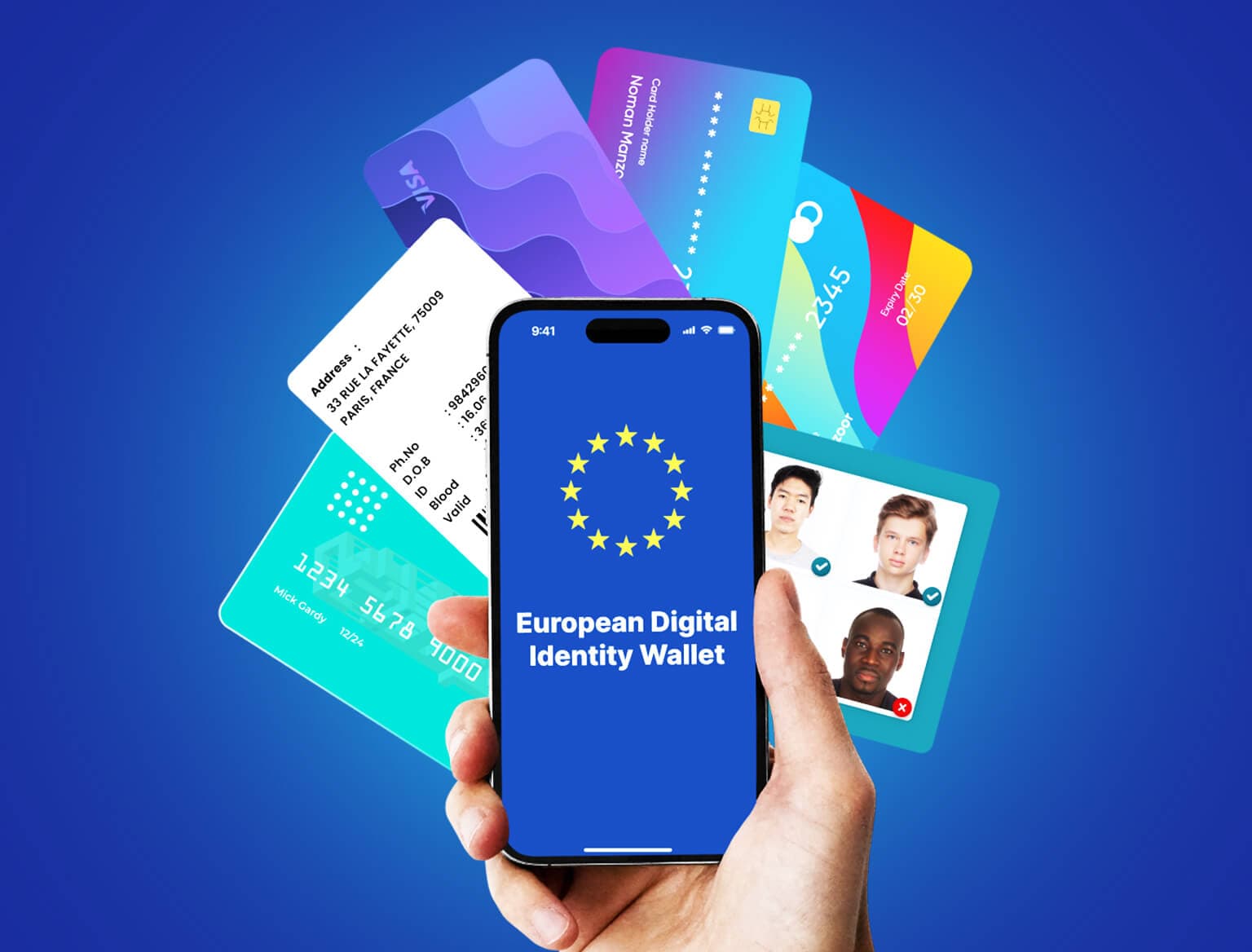
The European Commission’s Digital Identity Wallet initiative reflects a transition from fragmented identity systems toward a standardized framework for trusted digital interaction. Positioned as a secure and reliable means of identification for citizens, residents and businesses, the wallet is being developed with each Member State expected to provide at least one implementation.
Public discourse has largely focused on convenience. Faster onboarding, simplified authentication and reduced repetition in verification processes. While accurate, this framing understates the scale of change. What is emerging is not simply a more efficient user journey, but a structured system for establishing and recognizing identity across borders and institutional environments.
This shifts digital identity from a functional layer to a foundational one. Identity becomes embedded within a broader architecture of trust, where verification is not episodic but continuous and standardized across interactions.
For institutions, the relevance extends beyond compliance or user experience. The framework introduces a new baseline for what constitutes credible identity. It aligns verification with authoritative data sources, reduces ambiguity in authentication and enables more consistent trust signals across sectors.
The wallet is positioning identity as infrastructure, not interface.
Key Structural Signals
From Convenience To Credibility Systems
The introduction of a harmonized identity wallet reframes how trust is constructed in digital environments. Identity has traditionally been validated through fragmented processes, varying across platforms and jurisdictions. The wallet introduces a model where identity can be consistently verified, carried and reused within a defined regulatory and technical framework.
This creates a shift in how credibility is established. Trust is no longer derived solely from brand, communication or reputation signals. It becomes partially embedded within systems that are visibly designed to authenticate and validate identity in a standardized manner.
For organizations, this introduces a more structural dimension to trust. Participation in such frameworks may begin to influence how stakeholders interpret legitimacy, reliability and institutional robustness.
Verification becomes a visible and system-driven component of credibility.
Financial Services
Identity verification directly influences onboarding, compliance and customer trust in transaction environments.
Telecom And Digital Platforms
High-volume identity interactions require consistent verification standards to maintain user confidence.
Travel And Public Services
Cross-border usability introduces new expectations for seamless and trusted identity recognition.
The EU Digital Identity Wallet introduces a gradual but structural shift in how identity is managed and trusted across a region. While implementation will vary by sector and timeline, the direction is clear. Verification is becoming standardized, portable and embedded within institutional systems.
As trust becomes infrastructural, organizations may need to align not only their processes but also their positioning with systems that visibly reinforce credibility. The question is no longer only how identity is verified, but how trust is designed and recognized at scale.
Sources
- European Commission: EU Digital Identity Wallet
- European Commission: EUDI Regulation and implementing acts
- European Commission: Verification patterns and service-provider guidance
News & Announcements

What The ECB’s Latest Digital Euro Push Could Mean For Trust And Stakeholder Confidence In Payments



Popular Insights
The Gap Between What Companies Say And What Markets Hear





Global Success Stories

Strategic Advocacy Outlook 2026
Strategic Influence, Institutional Trust and the Future of Advocacy

Asia Semiconductor Narrative 2026
Navigating Geopolitical Tensions in the Global Supply Chain

Operating in Real-Time Feedback Loops
The Evolution of Information Integrity and Open Influence Ecosystems
Strategic Advocacy Outlook 2026
Strategic Influence, Institutional Trust and the Future of Advocacy
Asia Semiconductor Narrative 2026
Navigating Geopolitical Tensions in the Global Supply Chain
Operating in Real-Time Feedback Loops
The Evolution of Information Integrity and Open Influence Ecosystems
Explore Industries

Energy, Resources & Circular Economy
Operating at the intersection of policy, capital and public scrutiny, where perception shapes access, alignment and long-term positioning.

Financial Services
Operating at the intersection of regulation, market perception and institutional trust, where capital flows are influenced as much by narrative interpretation as by financial performance.

Consumer & Digital Economy
Operating within fast-moving environments where perception, behaviour and platform dynamics directly influence growth, trust and regulatory response.

Defense & Strategic Industries
Operating within high-sensitivity environments where perception, compliance and institutional alignment determine long-term positioning and access.

Healthcare & Life Sciences
Operating across clinical complexity, regulatory oversight and public perception, where interpretation influences adoption, trust and treatment pathways.
Infrastructure & Transport
Operating across long-cycle investments, regulatory oversight and public acceptance, where project viability is shaped by multi-stakeholder interpretation.

Public Sector & Sovereign Institutions
Operating in environments where policy, perception and stakeholder interpretation directly influence national positioning, institutional credibility and international engagement.

Technology, Media & Platforms
Operating at the intersection of scale, regulation and public perception, where platform decisions, content ecosystems and policy scrutiny shape long-term positioning and market access.