
Asia’s Semiconductor Push Expands Beyond Manufacturing As Countries Compete For Strategic Positioning In Global Supply Chains
Across Asia, semiconductor strategies are evolving beyond manufacturing capacity, with countries competing to define their role, visibility and alignment within increasingly distributed global supply chains.

Asia’s semiconductor landscape is entering a phase of strategic realignment. While established hubs such as Taiwan and South Korea continue to lead in advanced manufacturing, a broader set of countries including India, Vietnam, Malaysia and Singapore are positioning themselves across different layers of the value chain.
This shift is driven by a combination of geopolitical and economic pressures. Supply chain disruptions and rising concerns around technological sovereignty have accelerated efforts to diversify semiconductor ecosystems, reducing concentration risks and expanding participation across regions.
The result is a more distributed model. Emerging markets are integrating into the ecosystem through packaging, testing, design and supporting infrastructure, contributing to a more resilient and geographically balanced supply chain.
However, this transformation is not limited to industrial capability. Countries are increasingly competing on how they are perceived within the global ecosystem, alongside how they perform operationally.
Semiconductor strategy is shifting from capacity to positioning within global systems.
Key Strategic Drivers
Positioning, Visibility And Ecosystem Integration
The competitive environment is expanding beyond infrastructure and incentives. Investors, multinational corporations and ecosystem partners are evaluating how countries and companies articulate their role within the semiconductor value chain.
Visibility in global forums, alignment with industry narratives and participation in cross-border partnerships are becoming factors in how players are assessed. Capability alone is no longer sufficient without clear positioning.
For companies, this introduces a parallel requirement. Engagement with international platforms, industry associations and expert communities contributes to how they are understood within the ecosystem. This affects partnership decisions, investment flows and long-term integration into supply chains.
Communication and positioning are becoming integral to supply chain participation.
Governments And Policymakers
Designing strategies that balance infrastructure development with global positioning.
Semiconductor Companies
Aligning operational capability with visibility across international platforms and partnerships.
Investors And Ecosystem Partners
Assessing resilience, alignment and long-term integration potential across regions.
Asia’s semiconductor push reflects a broader transition toward a more distributed and interconnected global supply chain. Capacity expansion remains important, but positioning within the ecosystem is becoming equally critical.
As the system evolves, the ability to align operational strength with clear external positioning will increasingly shape how countries and companies are integrated into the next phase of semiconductor supply chains.
Sources
- Global Semiconductor Industry Reports
- Statements from NVIDIA and Industry Leaders
- Asia Semiconductor Policy Announcements and Supply Chain Analyses
News & Announcements



What The ECB’s Latest Digital Euro Push Could Mean For Trust And Stakeholder Confidence In Payments



Popular Insights
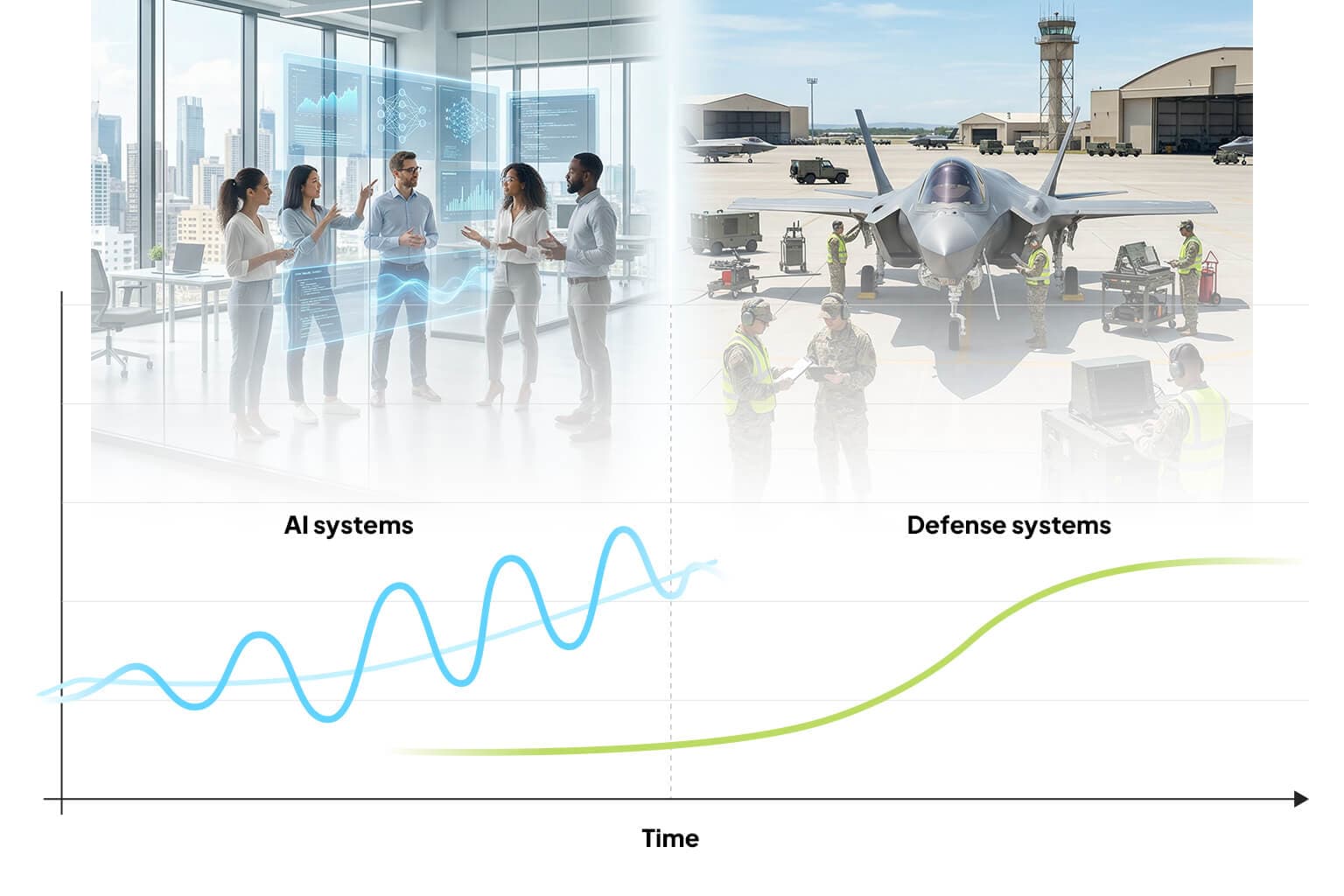
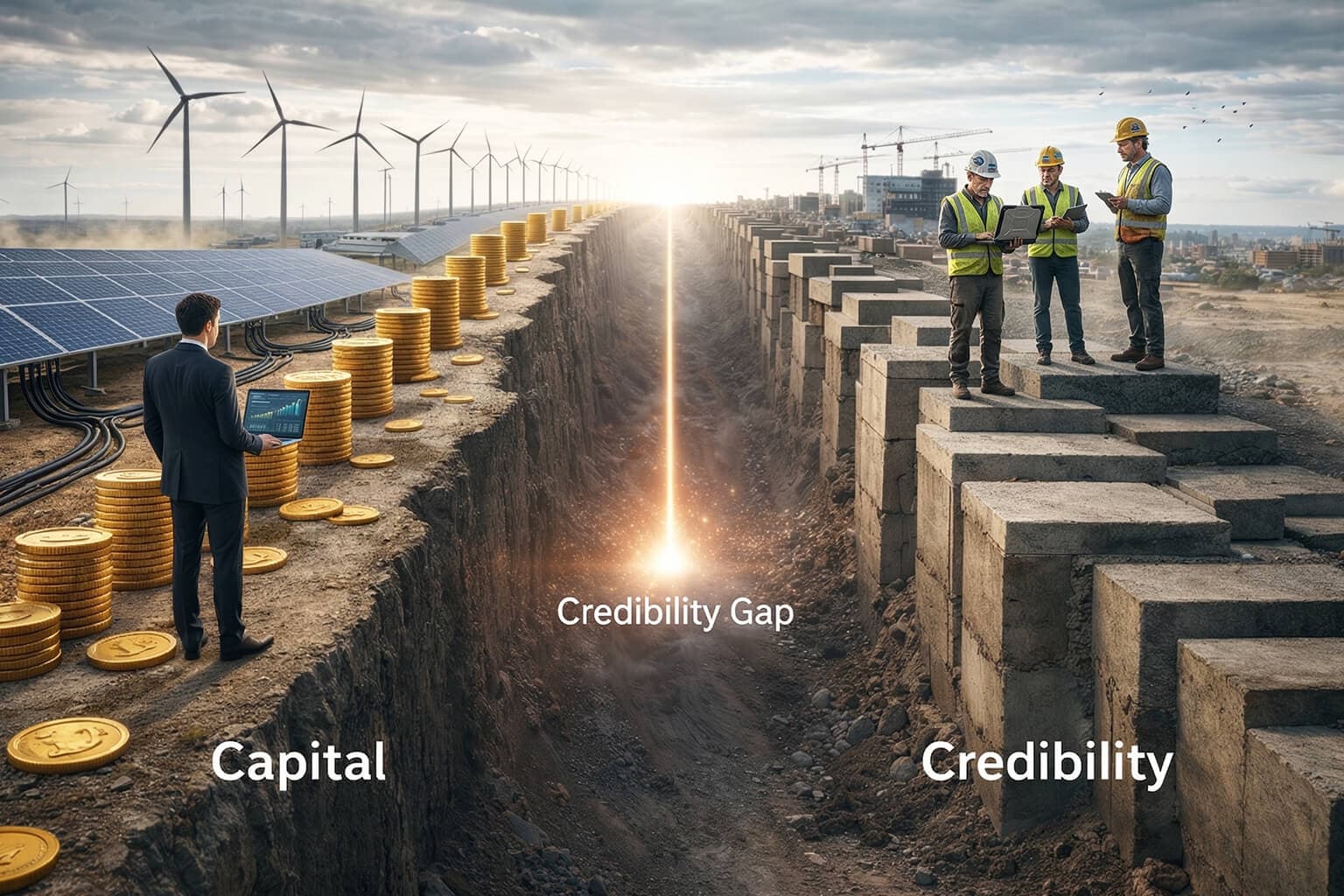
The Gap Between What Companies Say And What Markets Hear




Global Success Stories

Strategic Advocacy Outlook 2026
Strategic Influence, Institutional Trust and the Future of Advocacy

Asia Semiconductor Narrative 2026
Navigating Geopolitical Tensions in the Global Supply Chain

Operating in Real-Time Feedback Loops
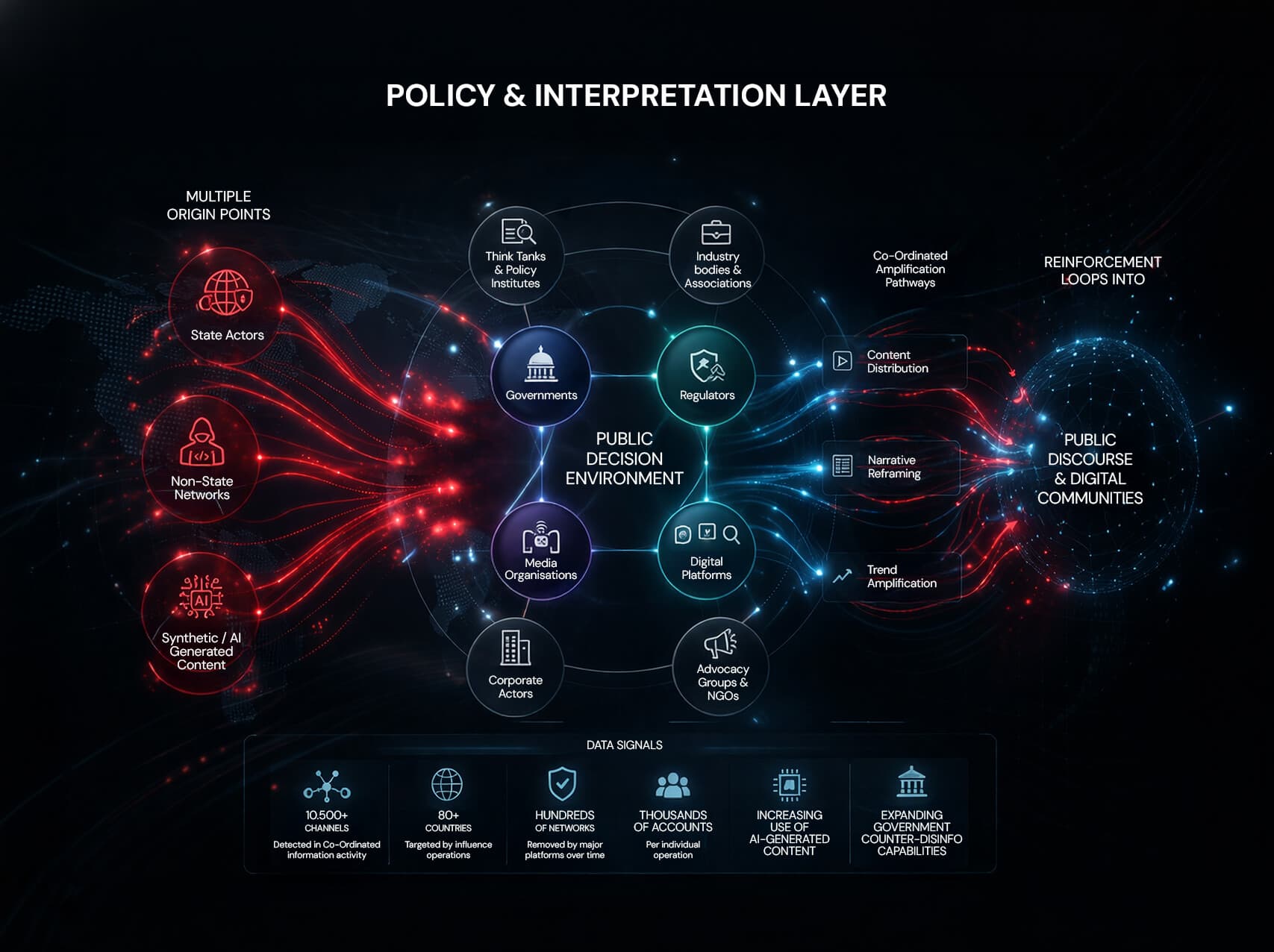
The Evolution of Information Integrity and Open Influence Ecosystems
Strategic Advocacy Outlook 2026
Strategic Influence, Institutional Trust and the Future of Advocacy
Asia Semiconductor Narrative 2026
Navigating Geopolitical Tensions in the Global Supply Chain
Operating in Real-Time Feedback Loops
The Evolution of Information Integrity and Open Influence Ecosystems
Explore Industries

Energy, Resources & Circular Economy
Operating at the intersection of policy, capital and public scrutiny, where perception shapes access, alignment and long-term positioning.

Financial Services
Operating at the intersection of regulation, market perception and institutional trust, where capital flows are influenced as much by narrative interpretation as by financial performance.

Consumer & Digital Economy
Operating within fast-moving environments where perception, behaviour and platform dynamics directly influence growth, trust and regulatory response.

Defense & Strategic Industries
Operating within high-sensitivity environments where perception, compliance and institutional alignment determine long-term positioning and access.

Healthcare & Life Sciences
Operating across clinical complexity, regulatory oversight and public perception, where interpretation influences adoption, trust and treatment pathways.
Infrastructure & Transport
Operating across long-cycle investments, regulatory oversight and public acceptance, where project viability is shaped by multi-stakeholder interpretation.

Public Sector & Sovereign Institutions
Operating in environments where policy, perception and stakeholder interpretation directly influence national positioning, institutional credibility and international engagement.

Technology, Media & Platforms
Operating at the intersection of scale, regulation and public perception, where platform decisions, content ecosystems and policy scrutiny shape long-term positioning and market access.